Barbarzyńca w ogrodzie (1962)
A Polish poet from behind the Iron Curtain enters the gardens of the West and writes the finest book about seeing that the twentieth century produced.
Read the noteSome books I keep returning to. Not a reading list and not a canon — a shelf of the quiet, half-forgotten, and unfashionable titles that still carry weight. Each entry links to the full note on HW.
25 books on the shelf.
A Polish poet from behind the Iron Curtain enters the gardens of the West and writes the finest book about seeing that the twentieth century produced.
Read the note
A seventeenth-century Rinzai abbot writing to a sword master on the mind that stops nowhere — Takuan's unfettered mind as a discipline for an age that cannot look away from its own screens.
Read the note
A short note on a half-forgotten Provençal pamphlet by Jean Giono, written in 1936 against the god Money, and why its small, severe sentences read again in 2026 like a letter addressed to our screens.
Read the note
A note on Michael Polanyi's The Tacit Dimension: the little book that begins with knowing more than we can tell, and why tacit knowledge matters again in the age of explicit machines.
Read the note
A note on Christopher Alexander's The Timeless Way of Building (1979): the quality without a name, and why a distracted century still cannot afford to look away from it.
Read the note
A note on Simone Weil's L'Enracinement, written in London in 1943 and published posthumously in 1949: rootedness as the most important and least recognised need of the human soul.
Read the note
A late Bernanos pamphlet written in Brazilian exile against the coming machine civilisation: modernity as a conspiracy against every kind of inner life.
Read the note
A Thursday Invisible Books note on Lewis Mumford's old rude sentence: the clock, not the steam engine, was the key machine of the modern industrial age.
Read the note
A hard little Japanese essay on glass, glare, electric fans, flush toilets, and the quiet violence by which efficient modernity remakes a room.
Read the note
A short, unforgiving pamphlet from a Catholic socialist typesetter, written a year before he was killed at the Marne, on what money had already done to a civilisation that still believed itself free.
Read the note
A forgotten Swiss book that treats silence as a positive substance, older than speech, and shows what a civilisation loses when it can no longer be quiet.
Read the note
A small book that returns tiredness to seriousness: not exhaustion to be cured, but the condition under which the world stops being managed and begins, at last, to be seen.
Read the note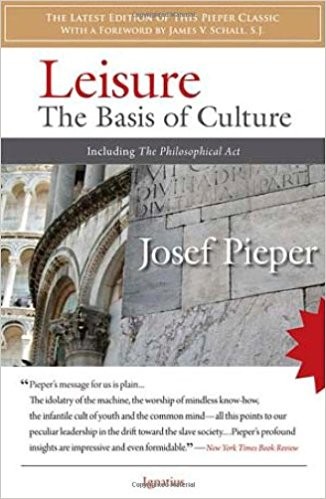
A small, severe book against the religion of overwork. Pieper argues that leisure is not the reward of labour but the condition under which reality itself becomes audible.
Read the note
A Japanese philosopher of the everyday useful object, the mingei movement, and the Korean rice-bowl that shamed a whole aesthetic of the signed and the exceptional.
Read the note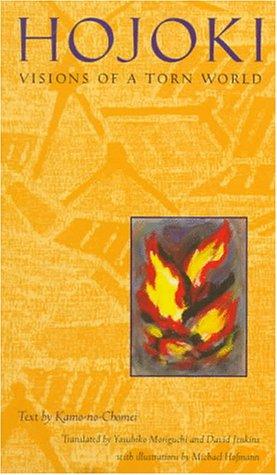
A short Kamakura-era essay from a ruined capital: Chōmei's ten-foot hut, the flowing river, and the case for a life sized to what a person can actually carry.
Read the note
A patrician Austrian preface from 1853 that quietly refused the century of catastrophe: Stifter's sanftes Gesetz and the case for the small, endurable, unspectacular greatness of ordinary life.
Read the note
A frail, half-hidden Italian writer who refused the literary parade, called attention the only road to mystery, and built a small severe canon against the noise of her century.
Read the note
A Colombian recluse who wrote in tiny barbed aphorisms refused the entire apparatus of modern intellectual life — lectures, magazines, prizes, the visiting professor circuit — and produced one of the strangest, sharpest books of the twentieth century.
Read the note
Guardini's quiet 1920s letters from a lake watched the old answer-to-nature world die under the steamship, the cable, the standardized object. Almost a century later, we are still living inside that substitution.
Read the note
Lin Yutang named the three American vices — efficiency, punctuality, and the desire for achievement — almost a century ago. The diagnosis has only sharpened.
Read the note
Long before ruin-porn became a content genre, Rose Macaulay understood the seduction of collapse and the strange piety with which civilisations admire their own wreckage.
Read the note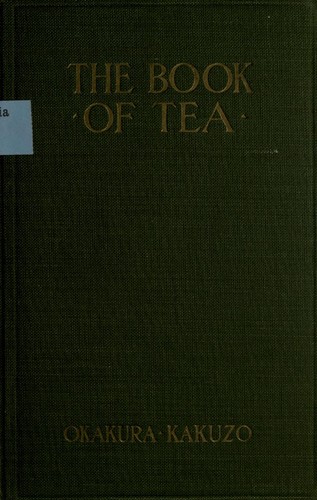
At a moment when taste is confused with branding and calm with luxury, Okakura restores a sterner idea: form as discipline, hospitality, and the worship of the imperfect.
Read the note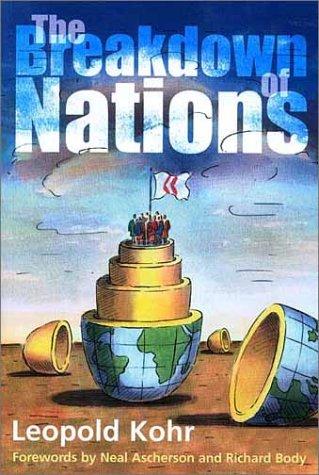
Long before 'small is beautiful' became a slogan, Kohr understood that many modern disasters are not failures of intent but failures of scale.
Read the note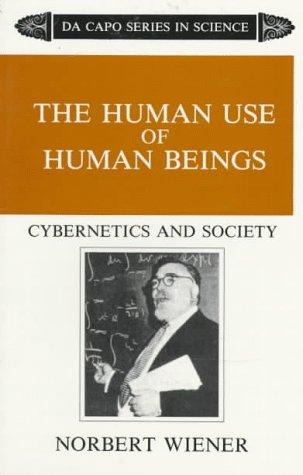
Before our age turned every human difficulty into a software brief, Wiener understood that the machine question is really a social question: who organizes whom, and to what end.
Read the note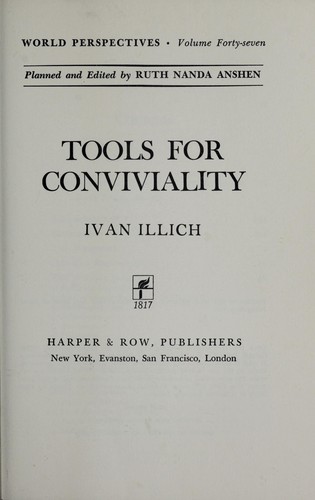
Illich argued that every tool has a threshold above which it turns on its user. He called it counterproductivity. He wrote this fifty years ago, and was not writing about software.
Read the note