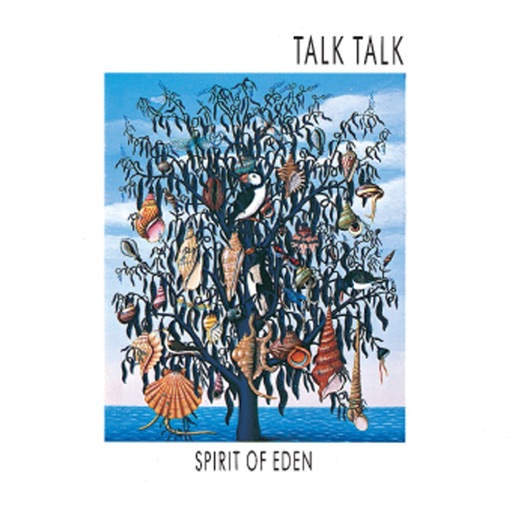
By 1988 Talk Talk had already done the sensible thing and walked away from being successful in the vulgar sense. The bright synthetic hooks were still available to them; the market would have applauded another obedient round of them. Instead Mark Hollis and Tim Friese-Greene made Spirit of Eden, which is less an album than a refusal: of pace, of clutter, of the managerial idea that every bar must justify itself immediately. Out of that refusal came I Believe In You, a song about addiction, mercy, and the exhausted remainder of belief when piety has burnt off and only need is left in the room.
The miracle is its restraint. Hollis does not sing this as a moralist, still less as a stadium penitent. He sounds like a man addressing someone he can no longer confidently name. The organ, the distant brass, the patient rhythm section, the small halos of silence around each phrase — all of it conspires to leave the words exposed. Modern production would have stuffed the space with texture, as though insecurity could be wallpapered over. Talk Talk do the opposite. They leave the wound visible. Very decent of them. Also very rare.
What matters here is not merely atmosphere, though the atmosphere is magnificent. It is moral tone. I Believe In You understands that spiritual language becomes embarrassing the moment it tries to sound certain. So the track never preaches. It pleads. It hovers. It allows doubt to remain inside the prayer. That is why it still feels devastating now, while so much supposedly serious music from the same period has aged into lacquered importance. Hollis leaves room for helplessness, and helplessness is usually where the truth enters after vanity has finally shut up.
One hears its afterlife everywhere: in the slow patience of later post-rock, in the better end of British art-pop, in records that learned that hush can carry more force than display. But imitation usually misses the point. People borrow the spaciousness and forget the inner necessity. I Believe In You is not slow because slowness is tasteful. It is slow because anything quicker would have lied.
Play it late, preferably when the room has stopped advertising itself. Let the organ come in like weather moving across stone. Listen to the way the vocal reaches upward without triumph. It is one of the finest records ever made about the difference between conviction and hope. The first is loud. The second has manners.