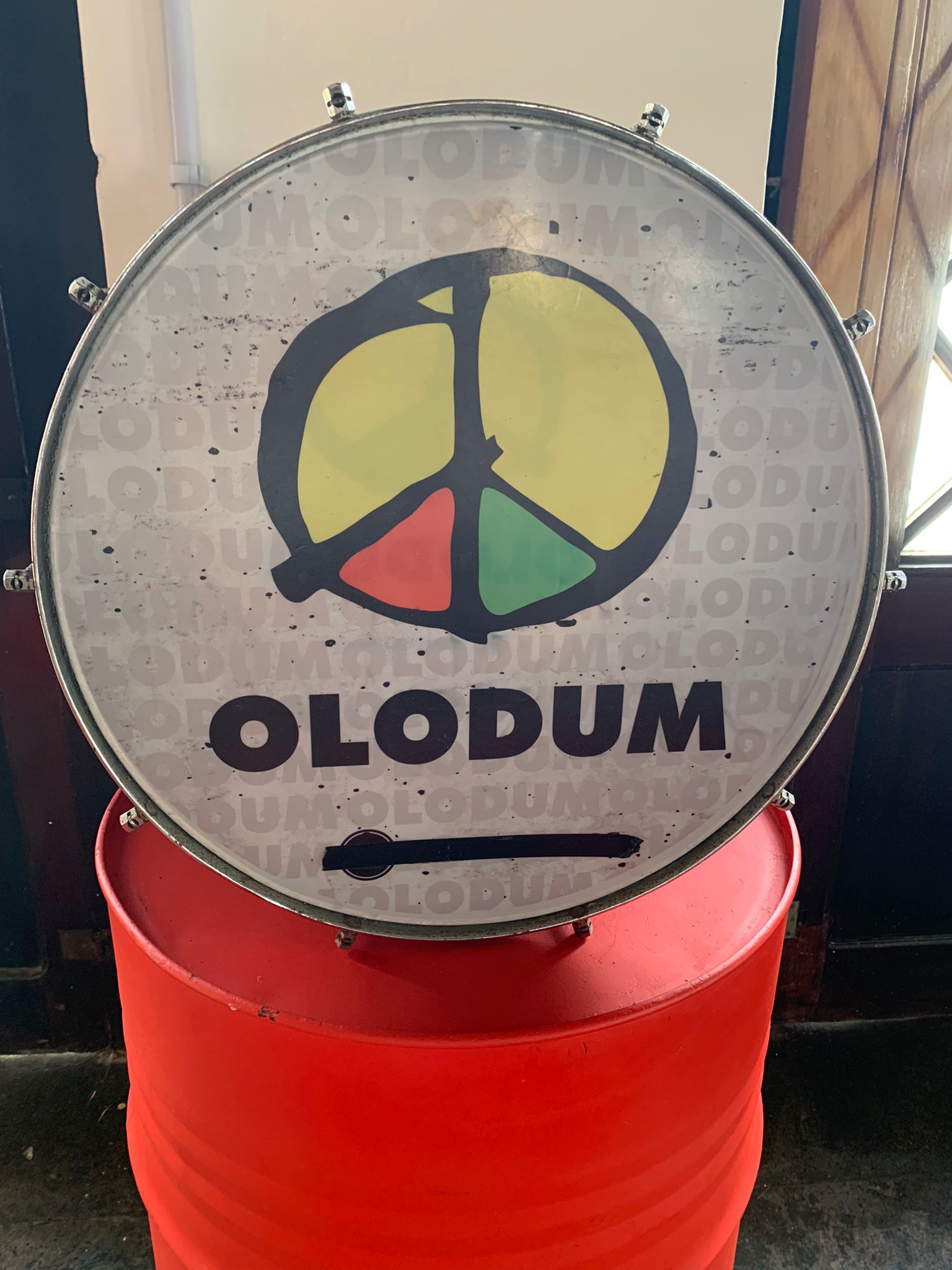
Um Canto de Afoxé para o Bloco do Ilê does not ease into the week; it enters as a procession. Caetano Veloso wrote it for Ilê Aiyê, the Salvador bloco afro founded in 1974, whose carnival was never merely a costume party with better drums. Its insistence was plain: Black Bahia was not background colour for a national fantasy. It was a people, a memory, a sound, and it would take the street in its own name.
The song understands the rare intelligence of a collective rhythm. Percussion does not decorate the melody; it establishes the ground on which the melody is permitted to stand. Caetano’s voice rides it with tenderness, but no softness of purpose. The arrangement has the proud, unhurried gait of something that knows where it comes from and has no interest in being made palatable for the anxious visitor.
Europe is very good at converting other people’s vitality into ambience: a Brazilian playlist beside the negroni, then back to the bleak little spreadsheet. This record refuses the arrangement. Its warmth is historical; its beauty has teeth. Afoxé carries the pulse of Candomblé and carnival, but it also carries the older fact that culture is how people keep possession of themselves when official life would prefer them abstracted, tidied, and grateful.
Put it on before the day becomes a queue of small obediences. Let the drums rearrange the furniture. Then make the coffee and proceed. Not every Monday needs to be improved by an app. Some require a street, a brass sun, and a rhythm that has survived people much duller than us.