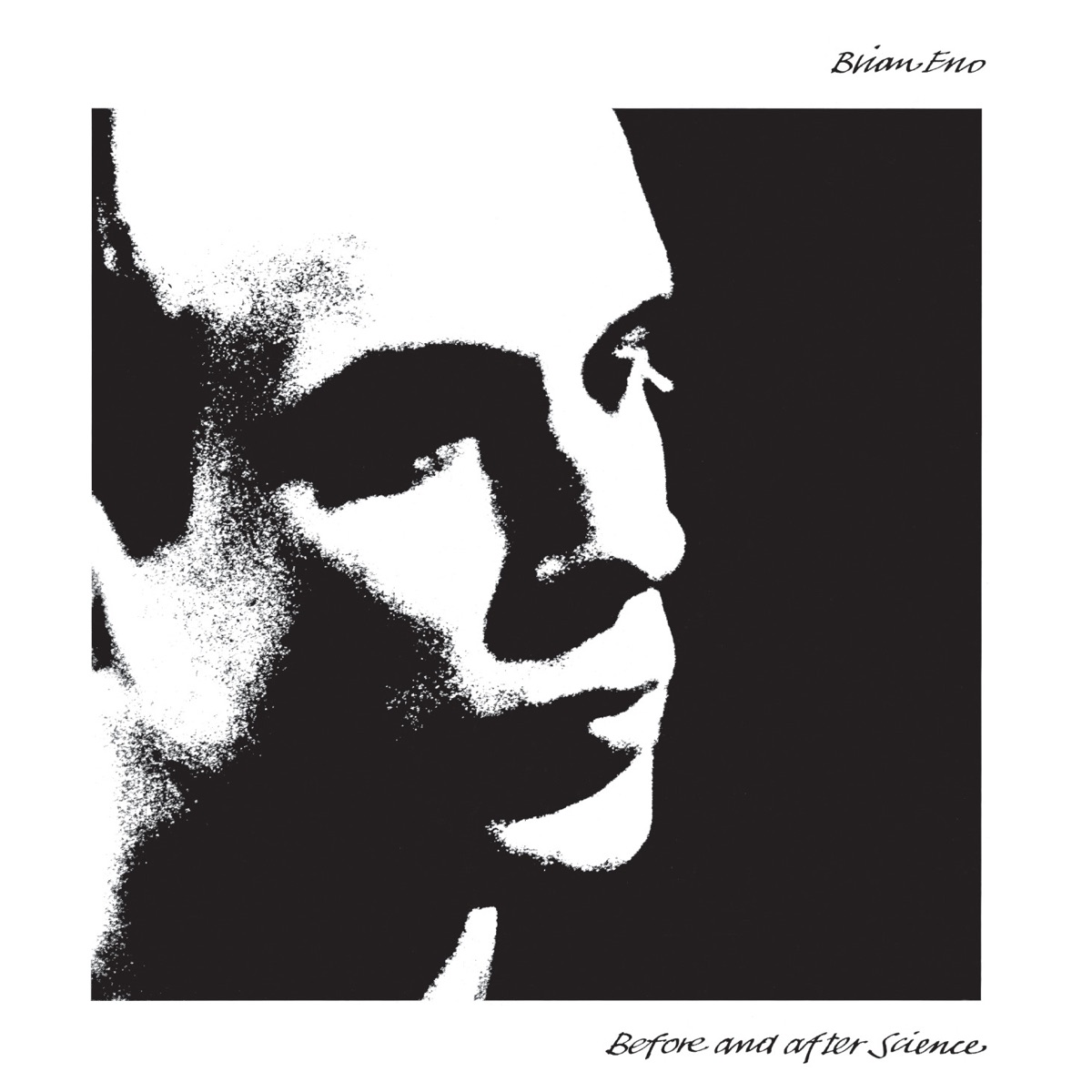
Eno is often filed under ideas, systems, procedures — all the clever machinery by which culture excuses itself from having a heart. Fair enough; he has given the filing clerks plenty to work with. But By This River is a useful corrective. Nothing here hides behind concept. A piano moves with almost embarrassed patience, the voice stays close to the bone, and the whole thing proceeds as though haste were a vulgar misunderstanding of what a human being is for.
What gives the track its authority is not mood but proportion. The melody is nearly childlike, the words almost absurdly simple, yet the simplicity never curdles into sentiment. That is harder than virtuosity and much rarer. Contemporary ambient-adjacent music, poor lamb, often mistakes softness for wisdom. Eno does not. He knows that quiet only becomes convincing when something in it has been mastered.
The song arrives late on an album that begins with more angular business and then, wisely, turns toward weather, distance, and acceptance. By This River is the moment where the turn becomes undeniable. It sounds like evening after argument, or like the hour when one finally stops trying to win against time and settles for seeing clearly. Not triumphant. Better than triumphant. Clean.
Play it when the room has been restored to its proper uses: one lamp, one chair, no digital carnival barking from the table. Let the piano state its case. Let the song remind you that restraint is not the opposite of feeling. It is what saves feeling from becoming theatre.