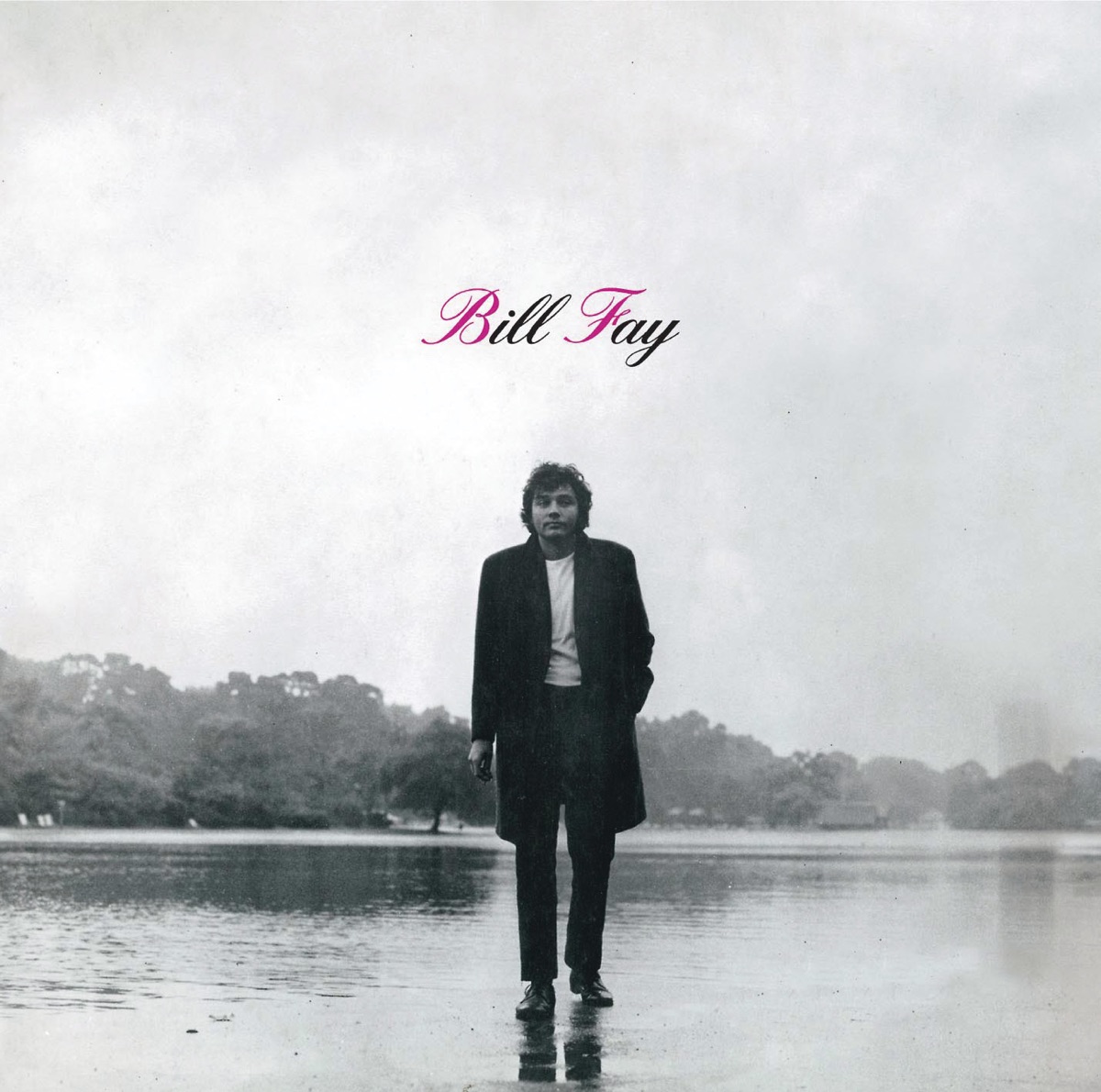
Bill Fay's Be Not So Fearful, from his self-titled debut at the beginning of 1970, does not pretend that fear can be reasoned away. That is part of its dignity. The song knows anxiety is older than advice. What it offers instead is presence: a piano line that does not fuss, a voice that sounds human before it sounds polished, and a refrain that refuses both melodrama and therapy-speak. It is consolation for adults rather than mood-management for consumers.
That matters because reassurance has become vulgar in contemporary culture. We are either shouted at by motivational frauds or handed wellness language so sleek it slides off the skin. Fay belongs to another order of speech entirely. He is gentle without becoming scented. He is spiritual without selling revelation as an accessory. The song is calm, but it is not decorative calm. It is the steadiness of someone who has looked at the dark squarely enough to stop performing his relationship to it.
The arrangement helps. There is space in it, but not the expensive emptiness of prestige melancholy. The room stays inhabited. Piano, voice, and a little lift around them are enough. One hears neither grand statement nor tasteful ruin, just a measured refusal to let dread become the most interesting thing in the day. A weaker song with this title would lean on significance. Fay simply says the words and lets their usefulness arrive in ordinary time.
That is why the track works on a Monday. Mondays do not always need fresh ambition. Often they need de-inflation. After a weekend of drift, backlog, or low-grade agitation, the nervous system is usually already overproducing the week before the week has actually begun. Be Not So Fearful counters that bad habit by declining to escalate. It suggests that composure is not passivity. It is sequencing. One thing first. Then the next. No trumpet blast required.
There is also something valuable in Fay's lack of vanity. Too many serious songs want credit for being serious. They arrive wearing their own gravitas like a borrowed overcoat. Fay sounds as if he has no interest in the costume department. He means the sentence. That makes the track strangely companionable. It does not loom over the listener. It stands nearby.
Put it on before the inbox starts inventing its little emergencies. Window cracked. Kettle on. No self-improvement programme, no noble resolution, no ceremonial reset. Just this: do not hand the morning over to fear before the morning has even had a chance to become itself.