Most rooms are now arranged to prove that their occupants are busy. The desk points at a screen. The table has acquired chargers, parcels, municipal letters and two glasses with the exhausted look of late capitalism. The sofa faces a black rectangle large enough to brief a cabinet. Even the bedroom has been recruited: there is a phone on the pillow, blinking like a small paid informant. A room can be handsome and still have no place in which to be idle without apologising.
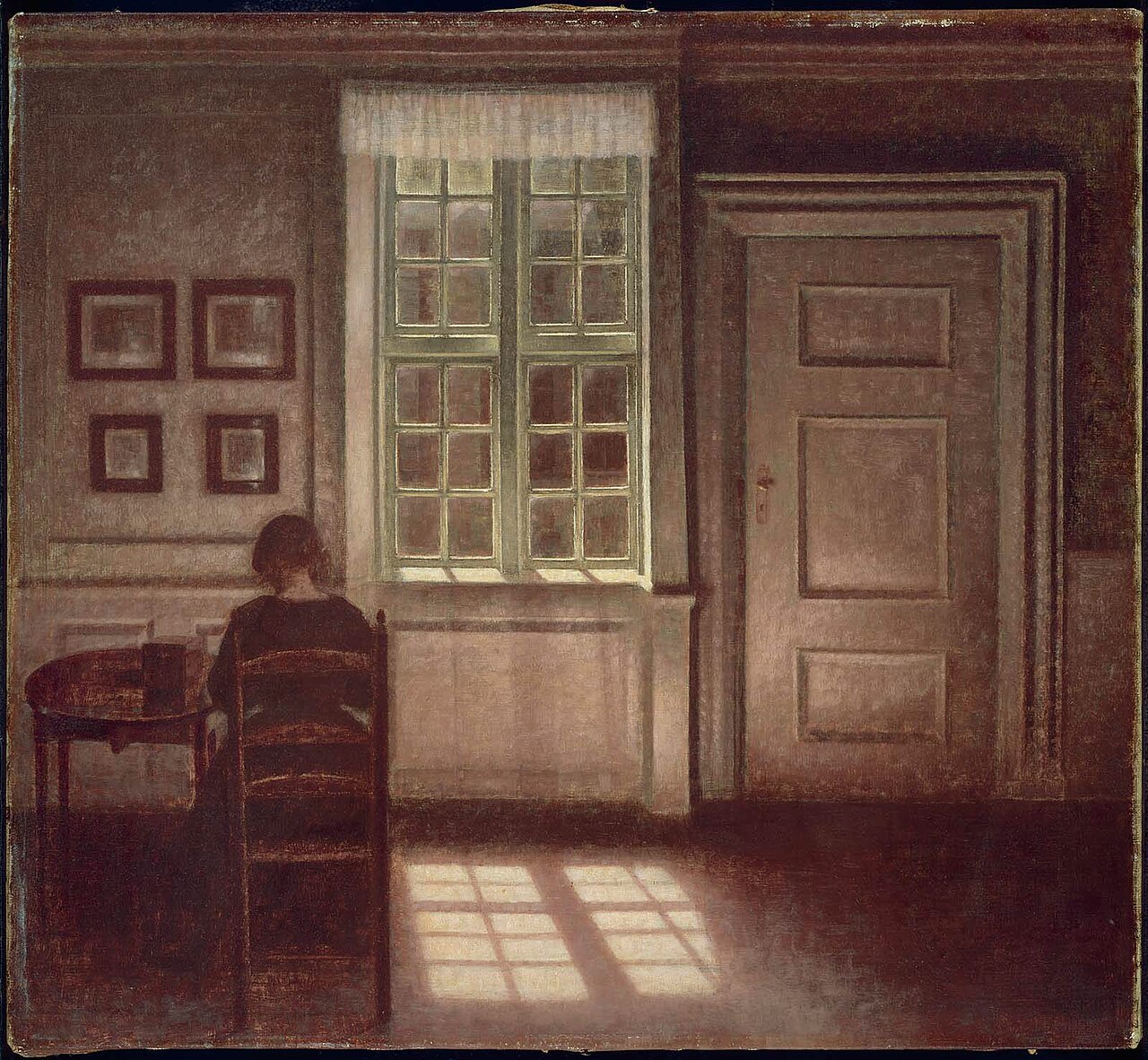
The unoccupied chair is a minor rebellion against this interior conscription. It should not be expensive. In fact, a chair that advertises its price is already lost. It needs a firm back, a seat broad enough for an elbow, and a relationship with a window or a lamp. Beside it: a small surface for a cup, perhaps a book left face-down without a bookmark. Nothing more. The chair is not there to produce a photograph of a good life. It is there to make a particular kind of hour physically possible.
One recognises the chair by what is absent from it. No laptop lives there. No stack of laundry is permitted to colonise it. No decorative cushion is arranged with the grim exactitude of a hotel lobby. A coat may briefly pass over its arm, but not establish a government. The chair must be empty often enough that it keeps its charge. It is a reserve, not a surface.
There is a practical reason for this, beneath the small ceremony. Attention changes when the body changes its agreement with a room. At a desk one leans forward into purpose; on a sofa one tends to dissolve into consumption; standing in the kitchen, one invents chores. A single upright chair, set slightly aside, permits another posture: alert but unclaimed. One can look out, read three pages, hear the radiator begin, and allow a thought to finish its sentence. This is not mystical. It is furniture doing the work that furniture used to do before every object became either content or a charging solution.
November is the right month to establish one. The light withdraws early and the apartment becomes a machine for compressing the day. This is precisely when the house requires a modest counter-institution. Put the chair near the best available light; if the window is bad, give it a lamp with a shaded bulb and a pool of light small enough to protect. Move the floor lamp closer than good sense first suggests. The room will immediately acquire a centre of gravity. A book, unlike a notification, needs somewhere to land.
Then keep one small rule. Sit there before reaching for the evening’s machinery. Ten minutes is sufficient. Make tea. Read a paragraph aloud to yourself if the prose deserves it. Look at the weather committing its usual minor crimes against the glass. Do not improve the interval. The instinct to optimise it is the whole disease in miniature: the mind arriving at the well with a spreadsheet.
A house does not become calm because it owns calm-looking things. It becomes calm when it offers forms of conduct that are easier to inhabit than their opposite. The unoccupied chair is one such form. It says that a person may be present without being available; that a room may contain a silence which is not an omission; that an evening is not merely the corridor between a day’s work and tomorrow’s work.
By Monday the chair will probably be occupied by a scarf, a newspaper, perhaps a child asking a question that cannot be answered while standing. Good. Let it earn its keep that way. But clear it again before nightfall. A chair beside a window should always retain the possibility of being waited for. There are worse luxuries than a place in one’s own home where nothing has yet been asked of you.