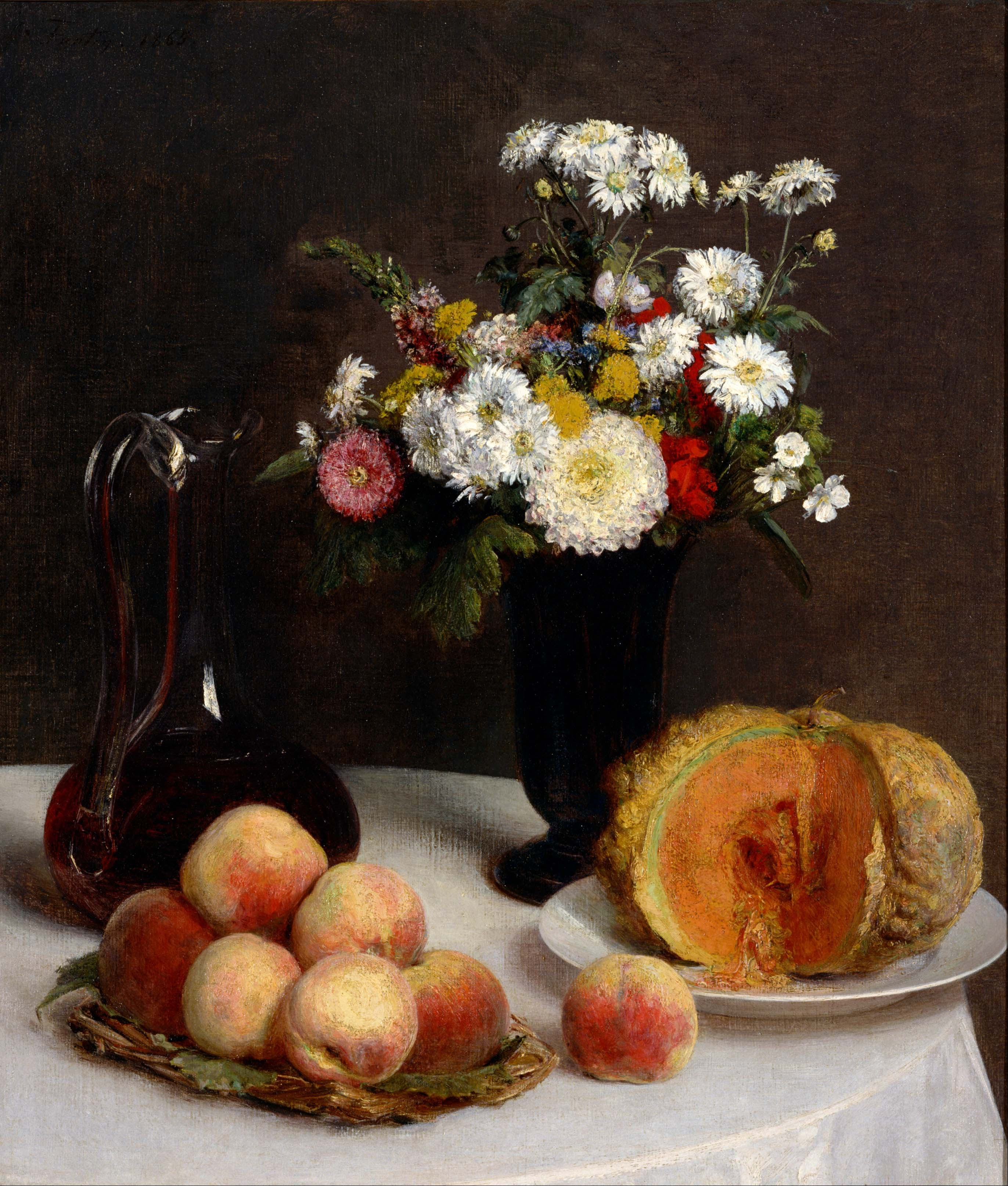
The carafe is a beautiful rebuke to the age of grabbing. It assumes a table, a pause, perhaps another person, and the faintly old-fashioned idea that thirst need not be answered like an emergency. Water is kept nearby, but not in one’s fist. It is poured. That tiny delay changes the whole atmosphere.
Most contemporary drinkware is either athletic or infantile. Bottles are built for transit, domination, optimisation, hydration goals, and the general theatre of people who speak of electrolytes as if they were preparing cavalry. The carafe belongs to another civilisation entirely. It asks almost nothing, and by asking almost nothing it restores form. You sit down. You reach. You pour. You return the vessel to the table. The body calms a little. The room does too.
This is not nostalgia for silver service or starched nonsense. The object is too elementary for that. Clay, glass, pewter, silver: nearly every settled culture developed some version of it because the logic is obvious. A shared liquid source, a serving vessel with a hand-feel, a distinction between storage and use. The carafe is infrastructure at table scale. Not glamorous, merely correct.
The distinction matters because modern life is full of objects that collapse categories until no behaviour has shape left. We work where we sleep, eat where we scroll, carry the bottle everywhere, and then wonder why nothing in the day seems to begin or end properly. The carafe quietly reintroduces the threshold. Here is the water. Here is the glass. Here is the act of serving. Civilisation, at its most convincing, often consists of such small separations.
Good domestic objects do not merely function; they choreograph. A decent carafe makes one hand support, the other tilt, the eye measure. It gives weight to enoughness. You see how much remains. You pour less stupidly. Children learn proportion from it without anyone delivering a TED Talk over lunch. This, incidentally, is how culture is usually transmitted: not through slogans, but through repeated contact with forms that make better conduct feel natural.
There is also the small aesthetic fact. Water looks better in a carafe. Not metaphorically. Literally. Light enters it. The table gains a vertical line. The meal acquires a center of gravity. Even alone, one drinks more attentively when the vessel has some dignity. The world has enough ugly containers already. We need not invite more of them to dinner like boorish cousins who never leave.
I am not arguing for collecting mouth-blown Venetian baubles, still less for the bourgeois disease of turning every useful object into a stage prop for one’s supposed refinement. A plain glass carafe is enough. Better plain than smug. The point is not luxury; it is sequence. Keep the water cool. Keep it visible. Pour it into a proper glass. Let the table do part of the moral work the mind is too lazy to do alone.
On a Saturday, when the week loosens and the household has a chance to recover its shape, the carafe earns its place again. It says that even thirst can be answered with form. Not abundance, not branding, not a monstrous steel thermos large enough for a minor siege. Just water, poured with a little style, which is to say: with a little respect for the fact that life is still being lived here.