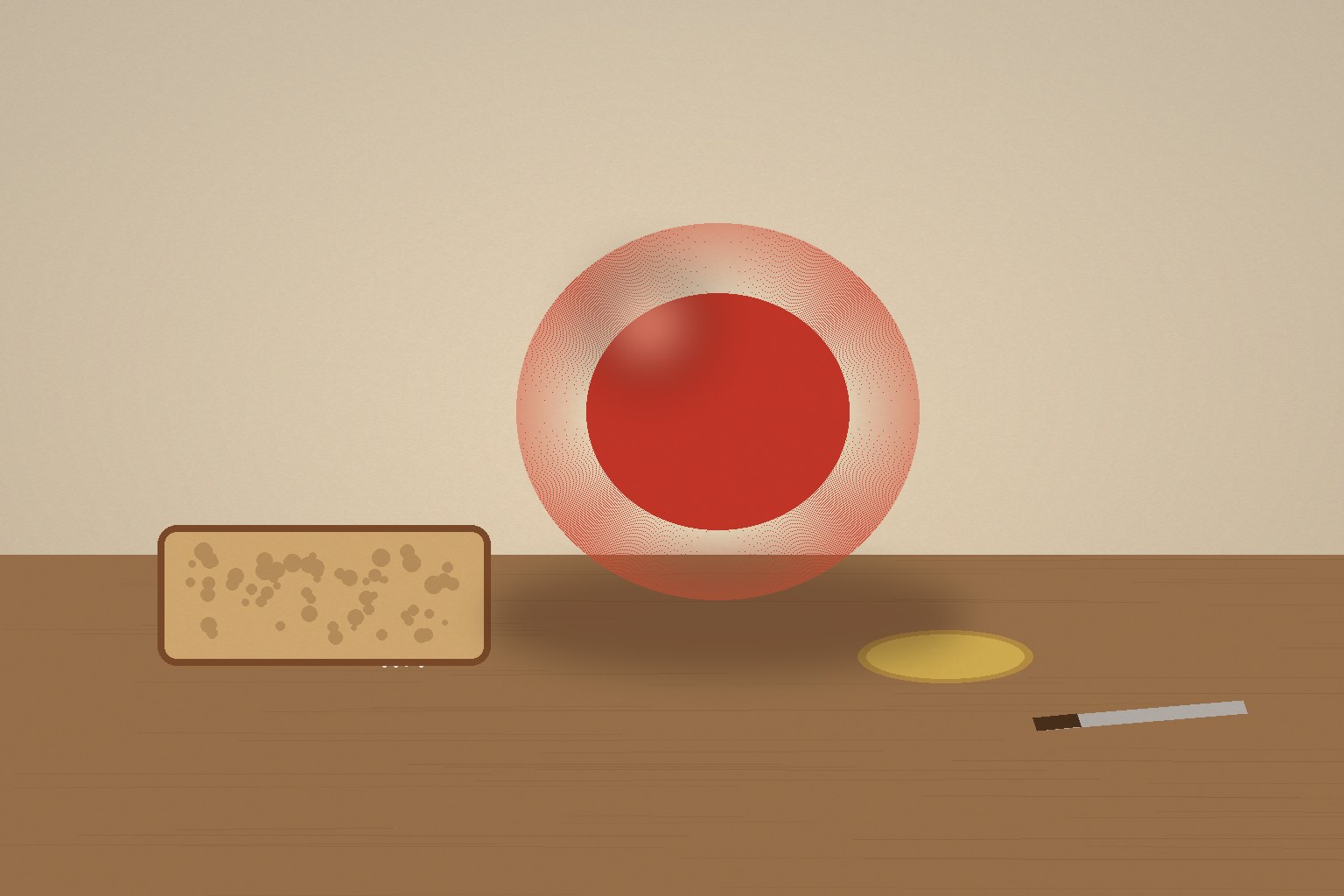
A ripe tomato in mid-August is not a vegetable and not, quite, a fruit. It is a short season with skin on it. Cut too early and it tastes of refrigeration and disappointment; picked at its hour it releases a smell of warm garden dust that no restaurant reproduces and no shop trains its staff to notice. There are perhaps three weeks a year in the north when this smell is available at all, and only if the tomato has spent its life in real weather. Everything else is a rehearsal.
The correct posture, when such a tomato arrives on the counter, is upright. Not seated at a table. Not photographed. Not garnished. A wooden board, a small sharp knife, and the willingness to eat over the sink if the juice insists. The meal that follows lasts perhaps four minutes and has no name in any cookbook, because it does not require one. It is the household’s way of admitting that the season is here and that no ceremony is equal to it.
Salt is the only real seasoning the tomato asks for, and it must be coarse. Fine salt disappears into the flesh and only sharpens it; coarse salt sits, briefly, and does its work in the mouth. A small mound on the board, taken with the fingertips and pressed onto each slice, is more attentive than any grinder. The Sicilians and the Andalusians have known this for centuries; the northern kitchen has to be reminded, because it grew up trusting the machine before the hand.
Oil is the second grace. Not much. A shallow puddle poured on the board beside the tomato, so that each slice is drawn through it once, no more. The oil should be green, faintly bitter, from a producer whose name you can remember without a phone. If it is a good year the oil will taste of the same weather as the tomato, and the two will recognise each other on the tongue. If the oil is anonymous, use less of it and let the tomato do the talking.
Bread is optional but respectful. A torn piece of yesterday’s country loaf, pressed briefly against the wet side of the tomato so that the crumb accepts the juice. This is the oldest sandwich in the Mediterranean and needs no elaboration: pan con tomate, fett'unta, or simply brood met tomaat. The trick is not to build. The trick is to eat it while it is still surprised at itself.
What I like about the tomato eaten standing is that it defends a small, disappearing category of pleasure: the meal that no one made. It was not cooked. It was not plated. It cannot be photographed convincingly. It has no menu, no price, and no interior monologue about wellness. It is the vegetable equivalent of a good glass of cold water at the sink: a small, unadministered rite that the century has forgotten to monetise, and which is still, four minutes at a time, entirely free.
Do this once, standing, before the summer turns. The tomato will not wait for you to sit down.