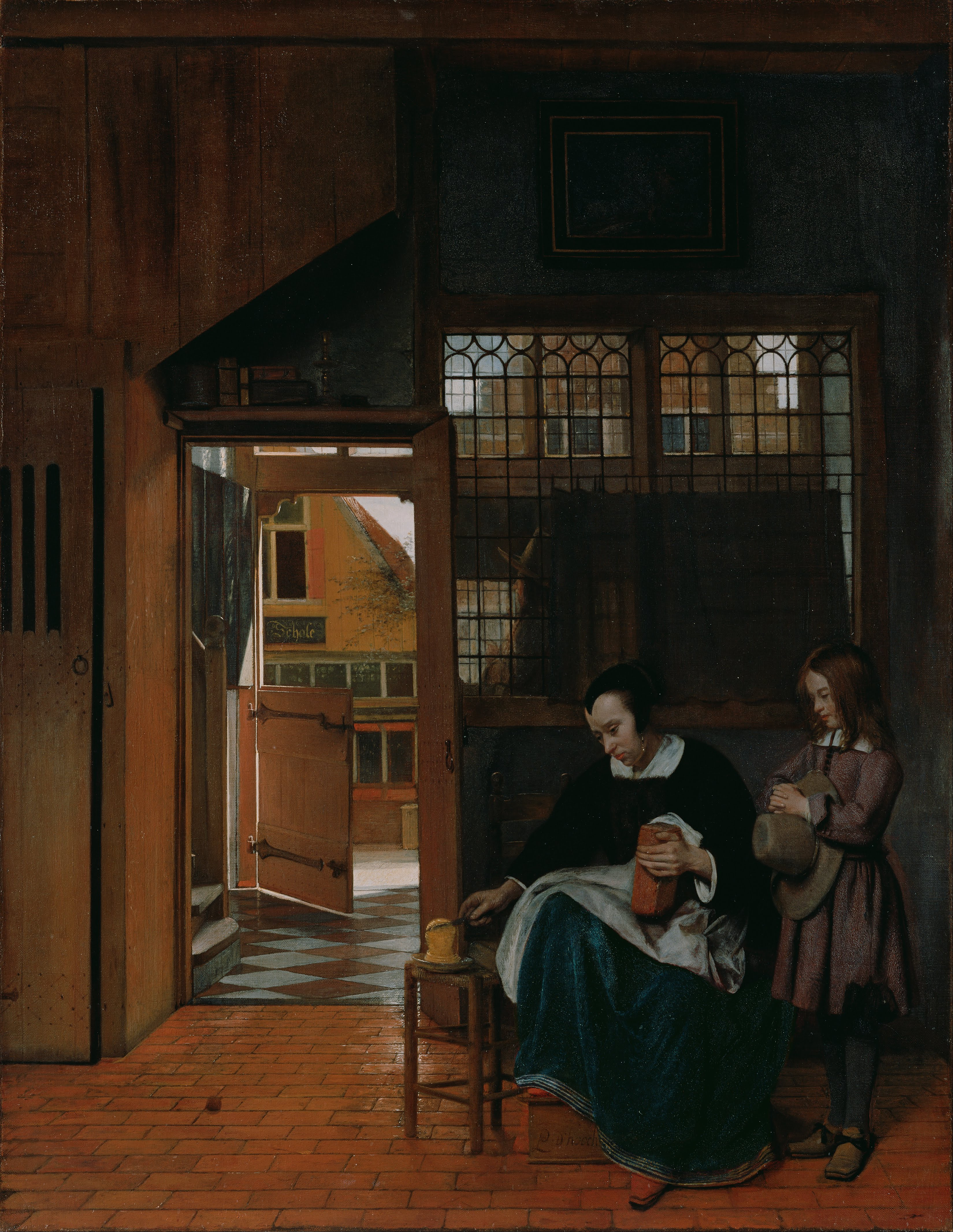
Most modern breakfasts suffer from democratic inflation. Too many options, too much sugar, too much packaging, too much emotional labour from a plate that ought simply to get the household upright and under way. The old answer was better: bread, butter, salt, coffee if one insists, perhaps jam if the morning is feeling indulgent rather than merely weak. A serious day does not need a brunch menu. It needs a beginning.
Bread and butter is not interesting because it is austere. It is interesting because it is exact. Good bread asks for chew, crust, a little resistance, some proof that grain and heat once did honest work together. Butter asks to be cool rather than refrigerated into stupidity, soft enough to yield but not so warm that it behaves like cosmetic cream. Salt, used lightly, restores the whole thing to its proper register. Suddenly breakfast no longer tastes like filler. It tastes like structure.
I like the way this meal keeps appetite disciplined without making it joyless. One slice, then another if needed. A third only if the body truly asks and not because a weekend has licensed gluttony. There is a difference, and the table ought to know it. Bread and butter teaches proportion with better manners than most advice literature.
It also belongs to the grammar of the house. Someone cuts the loaf. Someone sets out the butter dish. Someone reaches for the little salt cellar rather than the shrieking industrial canister. A knife is wiped, passed back, used again. These are small gestures, but small gestures are where civilisation either survives or gets replaced by plastic and self-pity.
Naturally the ingredients matter. Supermarket sponge masquerading as bread will not do. Nor will that whipped pseudo-butter sold to people who have confused spreadability with virtue. Buy a loaf with some dignity in it. Buy butter that still tastes faintly of the field. Use flaky salt or fine sea salt, but use it with enough restraint not to turn breakfast into a sailor’s punishment.
One may add things without ruining the principle. Radishes are welcome. Good marmalade is welcome. Anchovies, in sterner moods, are very welcome indeed. But the foundation should remain plain enough that the additions feel like arguments, not camouflage. The table must still be able to stand there naked.
What I distrust is the weekend cult of abundance: towers of pancakes, syrup behaving like lacquer, avocado sermons, eggs assembled as though a hotel buffet had married an influencer and produced a child with no inner life. Sunday morning deserves better than edible content. It deserves calm, a cleared table, a crust broken by hand, and enough silence to hear whether the day has any real intention in it.
So I would begin there. Toast, or do not toast, depending on the bread. Butter it properly. Add the little line of salt that makes the whole thing wake up. Then sit down and eat before the century starts yelling again. Bread, butter, salt: not a nostalgia act, not peasant cosplay, just one of the last breakfasts still capable of behaving like an adult.