1. SpaceFromSpace, where state vision becomes historical vertigo
SpaceFromSpace gives you declassified Cold War satellite imagery from CORONA, GAMBIT, and HEXAGON: the old mechanical eye of empire, now laid open as public archive. The useful shock is not only visual. It is civilizational. You look at deserts, ports, borders, cities, and suddenly remember that the twentieth century was not merely argued about in conference rooms. It was watched from above with very expensive paranoia.
2. BBC Sound Effects, because proper noise is better than stock-audio embalming fluid
The BBC Sound Effects archive holds more than 30,000 searchable effects, browsable and mixable with personal and educational use built in. Useful not because it is a pile of assets, but because it still contains texture: machinery, weather, voices, atmospheres, accidents, small frictions. A reminder that the world sounded like something before every moving image became accompanied by the same anaesthetized cinematic paste.
3. The World Digital Library, for anyone who prefers civilisation to feed
The World Digital Library, gathered through the Library of Congress with partner institutions worldwide, remains one of the better antidotes to cultural provincialism online. Manuscripts, maps, prints, books, documents, photographs, not as algorithmic bait but as a real field of inheritance. The point is not to consume it all. The point is to remember that the human archive is still larger than your language, your nation, and your decade.
Amsterdam: three reasons to leave the house
At Holland Festival, Ali Chahrour’s When I Saw the Sea plays at Theater Bellevue on Friday and Saturday at `20:30`, and Sunday at `15:00`. A title with grief already inside it, and a piece likely to offer more human consequence than the usual well-funded arts murmur.
At Perdu, Object of Desire lands on Saturday at `19:45`. Perdu at least still occasionally permits language, bodies, and form to misbehave in public rather than submitting to the administrative smoothness now mistaken for culture.
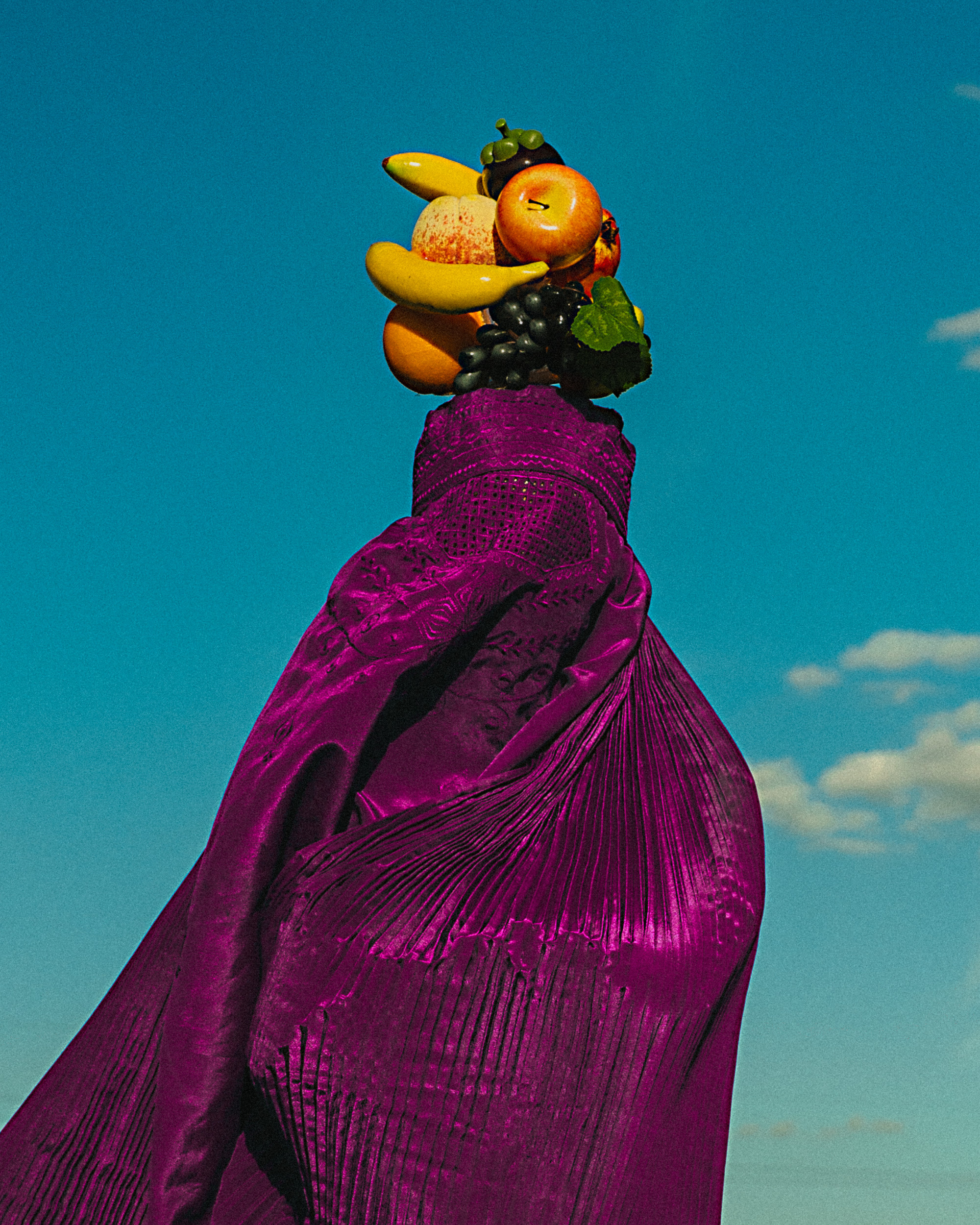
And at Huis Marseille, Yumna Al-Arashi’s Body as Resistance runs through `21 June 2026`. The title could easily have been insufferable in weaker hands. Here it may instead be exact: the body not as wellness furniture, but as memory, refusal, and contested ground.
Enough. Look once from orbit, listen to one better noise, wander one proper archive, and then go stand somewhere the body, the image, or the room itself still resists being turned into content.