1. Mail-order occultism, with linotype and postage
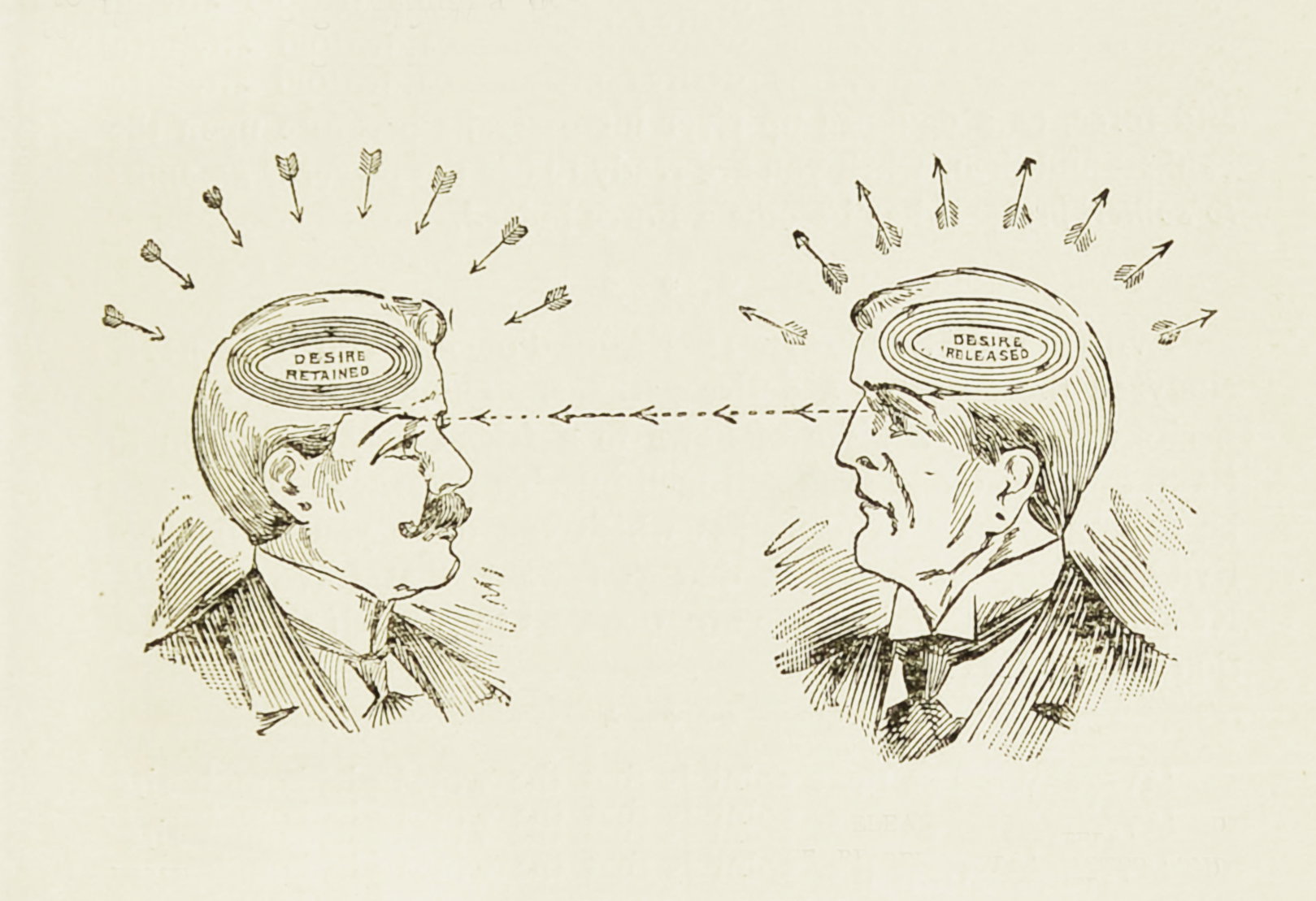
Allan Johnson’s recent essay for The Public Domain Review is excellent on the strange little marriage between logistics and belief. The point is not merely that occultism sold itself by post in early twentieth-century America, but that postal networks, cheap pulp paper, and linotype machines changed the scale and texture of spiritual life. Infrastructure always edits consciousness. Today we have app stores and algorithmic delusion; then they had correspondence courses in mesmerism and personal magnetism, often with better typography.
2. A cleaner image diet
The Public Domain Image Archive, from the same people, now offers more than 11,000 out-of-copyright works, browsable by artist, century, style, theme, or the dangerously seductive Infinite View. Very useful for anyone tired of moodboards assembled from the same anaemic Pinterest gruel. Better to steal from the dead; they usually had more patience.
3. A proper online cabinet of human oddity
Wellcome Collection’s online collections remain one of the better places to wander without becoming stupider. More than 1.1 million items: books, images, archives, films, audio, manuscripts, and beautifully specific debris from the history of medicine, bodies, care, obsession, classification, and error. It also offers open APIs, which is a civilised gesture: not merely display, but access.
Amsterdam: two things with a pulse
At the Stedelijk, Experimental Jetset: Circuits is sharper than most design talk because it remembers that information once had a body. Sixteen wall works, built around nearly extinct media carriers — film reels, cassette tapes, LaserDiscs, CDs — and the quiet argument that formats shape thought. A small corrective to the fantasy that the cloud is immaterial. It runs until 2 August 2026.
Also at the Stedelijk, Danh Vo: πνεῦμα (Ἔλισσα) looks genuinely worth the afternoon. The museum describes an open arrangement of the artist’s own works, collected objects, and pieces by others, circling intimacy, violence, memory, faith, and displacement. In other words: objects with biography, not décor pretending to be serious. Also on view until 2 August 2026.
That is enough for one Friday. The civilized life depends, now and then, on refusing the feed and choosing a better room.